

Crude Intelligence & Resources
If someone already understands trading but wants to specialize in oil, the biggest shift is learning that oil is driven far more by physical-world logistics, geopolitics, and industrial constraints than many other markets. The edge often comes from understanding how the real barrels move.
Here are the areas beyond the charts that are worth exploring:
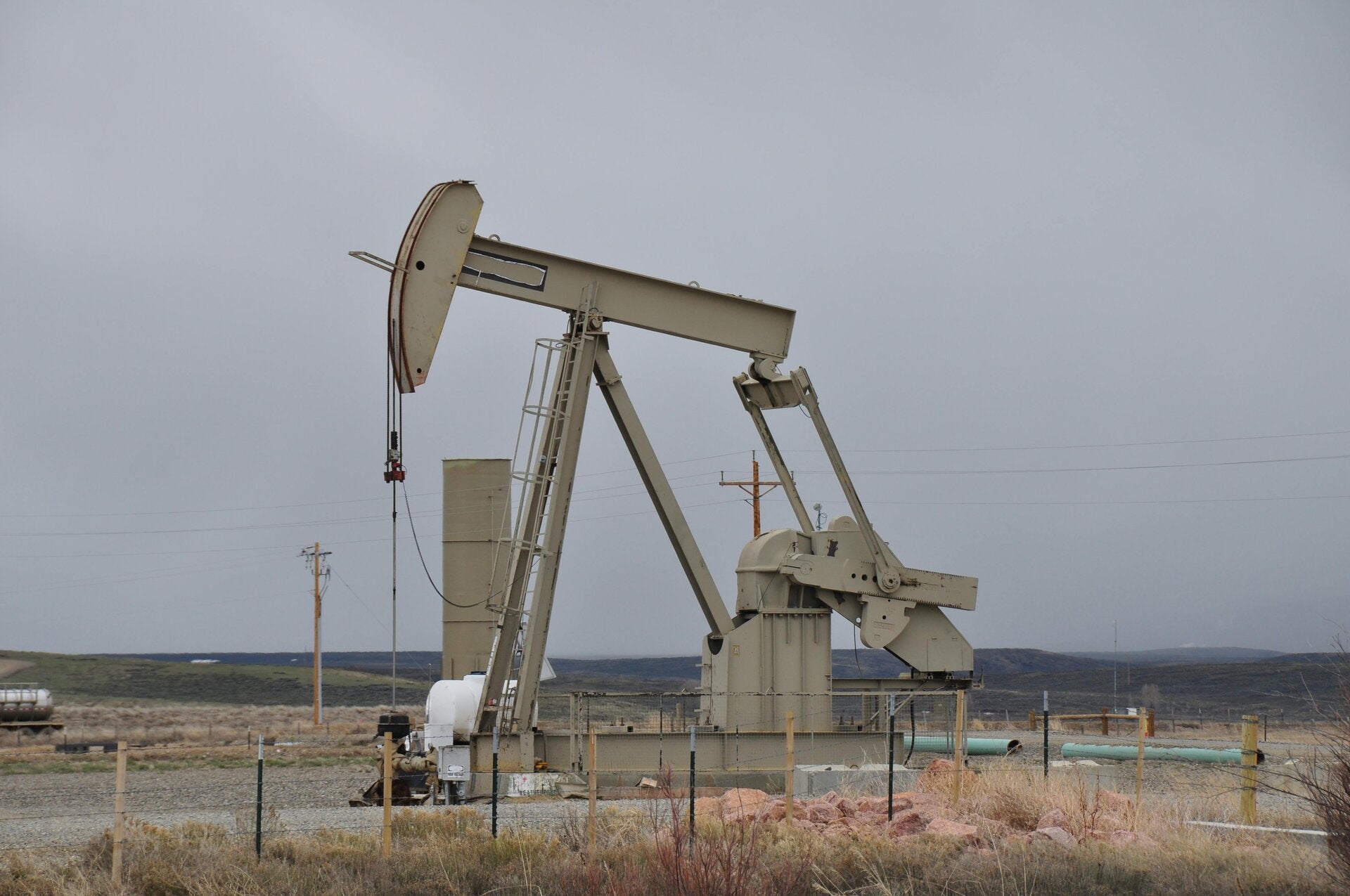
Physical oil market mechanics
Many traders only know charts and futures. Oil specialists understand the physical chain.
Key things to study:
- Crude grades (WTI, Brent, Urals, Dubai, Maya, etc.)
- API gravity and sulfur content
- Refinery compatibility
- Storage economics
- Shipping routes and bottlenecks
- Pipeline systems
- Crack spreads (refining margins)
A surprising amount of price movement comes from:
- refinery outages,
- shipping delays,
- storage shortages,
- weather,
- sanctions,
- maintenance seasons.

Energy geopolitics
Oil is deeply political.
Keep track on what is happening around the world:
- OPEC+ internal dynamics,
- Saudi fiscal breakeven prices,
- Russia sanctions,
- U.S. SPR policy,
- Iran negotiations,
- China demand trends,
- India import behavior.
Sometimes the market reacts more to diplomacy than inventory numbers.

Refinery economics
Most retail traders ignore this.
Oil demand is really:
- gasoline demand,
- diesel demand,
- jet fuel demand,
- petrochemical demand.
You need to understand:
- refinery utilization rates,
- seasonal blends,
- crack spreads,
- refining margins,
- maintenance cycles.
Example:
Crude can fall while gasoline spikes because refining capacity is constrained.
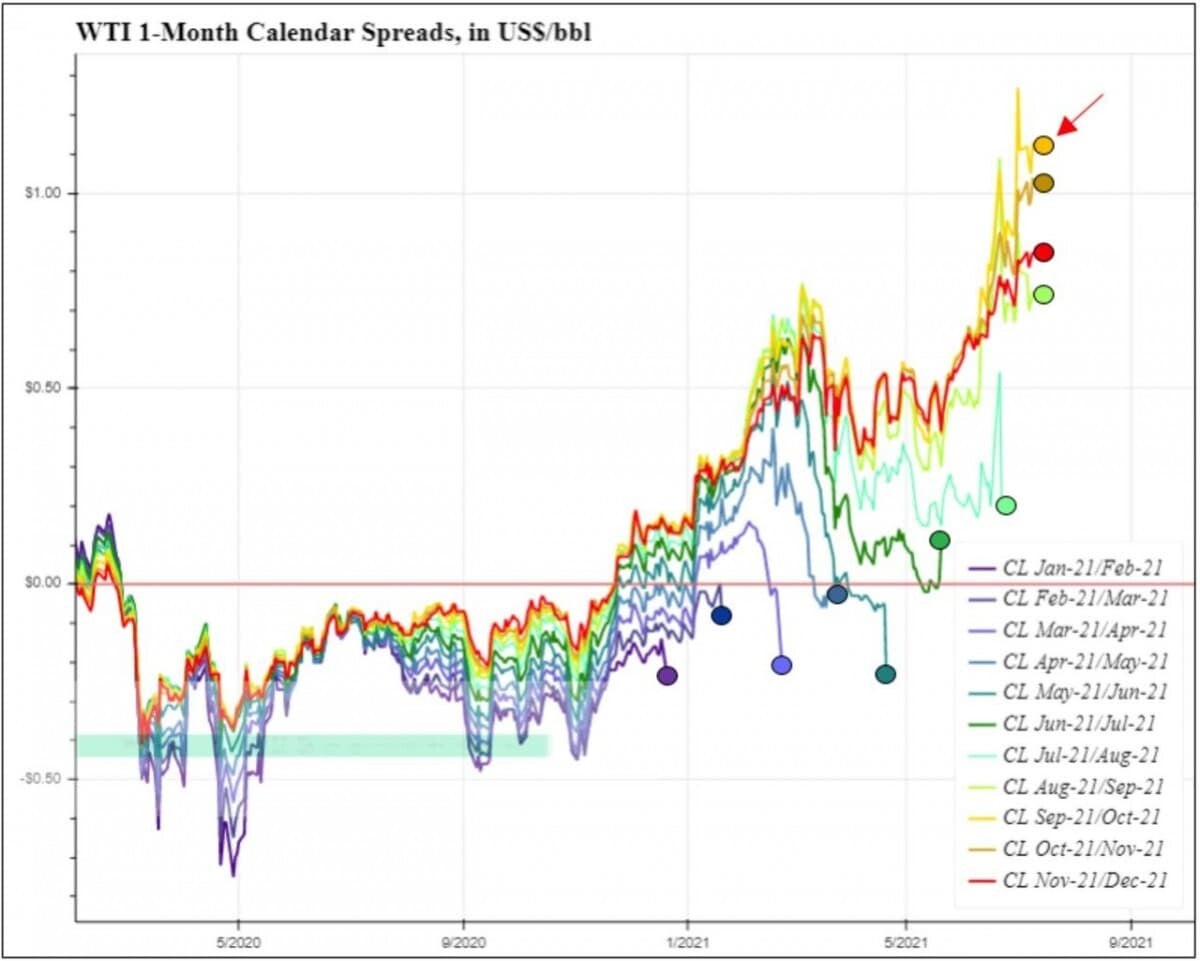
Time spreads and structure
Oil pros care heavily about curve structure:
- contango,
- backwardation,
- calendar spreads.
This tells you:
- whether supply is tight,
- if storage is profitable,
- how urgent demand is.
Often more informative than outright price.

Maritime and tanker tracking
This is a huge edge area.
Professional oil traders monitor:
- tanker movements,
- AIS vessel tracking,
- port congestion,
- floating storage,
- ship-to-ship transfers,
- shadow fleets.
Useful concepts:
- VLCC / Aframax / Suezmax tankers
- freight rates
- Baltic Dirty Tanker Index
- choke points:
- Strait of Hormuz,
- Suez Canal,
- Bab el-Mandeb.
Understanding maritime logistics can predict supply disruptions before headlines.

Weather and climate patterns
Oil traders monitor weather obsessively.
Especially:
- hurricane season,
- Gulf of Mexico production,
- cold winters,
- El Niño / La Niña,
- European gas shortages.
Weather affects:
- production,
- transportation,
- refinery operations,
- heating oil demand.

Macro + dollar liquidity
Oil is strongly linked to:
- USD strength,
- interest rates,
- global liquidity,
- industrial activity,
- China PMI data.
An oil trader eventually becomes part:
- macro economist,
- shipping analyst,
- geopolitical analyst.

Data sources professionals actually watch
- EIA weekly petroleum status reports
- API inventory reports
- refinery throughput data
- CFTC positioning
- tanker tracking services
- satellite imagery
- rig counts (Baker Hughes)
- options skew/open interest

Domain the physical business language
Understanding industry vocabulary gives a major advantage.
Examples:
- crack spread
- turnaround
- uplift
- cargo differential
- FOB vs CIF
- throughput
- blending
- storage draw
- distillates
This helps when reading institutional reports.

Master the art of narrative filtering
Oil markets are flooded with dramatic news.
A good oil trader learns:
- which headlines matter,
- which disruptions are symbolic,
- which events truly affect supply.
The market often overreacts emotionally to geopolitical headlines.
“This course helped me stop chasing random entries and focus on process, structure, and risk management. The mindset component alone changed how I approach uncertainty and decision-making in the market.”
Alex R., Oil Futures Trader

Afterword
The people who become truly good at oil trading usually stop thinking of oil as “a chart” and start thinking of it as a living global transportation and industrial system.
Some resources/books that I recommend:
Physical market focus:
- OPEC Official Site
- TankerTrackers
Macro + energy:
- EIA Petroleum Data
- IEA Oil Market Reports
- Reuters Energy News
Books:
- The Prize, by Daniel Yergin, 2009 (essential for understanding geopolitics and why oil markets behave emotionally)
- The New Map, by Daniel Yergin, 2021 (modern energy power shifts, Russia, China, Middle East)
- Oil 101, by Morgan Dawney, 2009 (best explanation of the physical oil business)
- Trading and Price Discovery for Crude Oils, by Adila Mchich, 2021
Written by Chris David, May 12, 2026.